
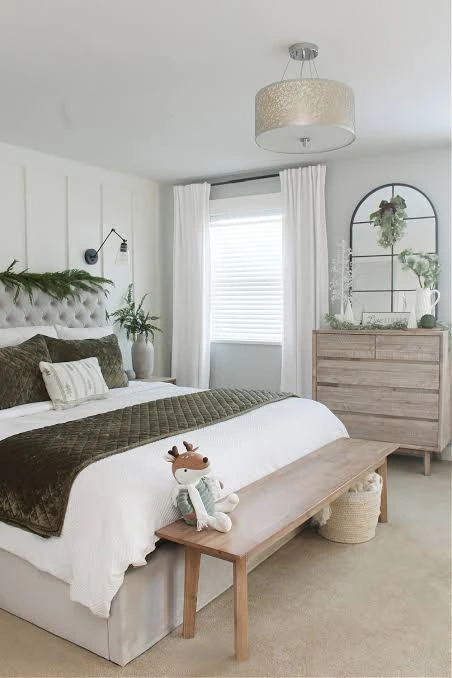
Choosing the right bedroom furniture can feel overwhelming. With endless styles, materials, and price points available, it’s easy to make costly mistakes. The truth is, your bedroom is more than just a place to sleep — it’s your personal sanctuary where you start and end each day.
In this comprehensive guide, we’ll walk you through proven bedroom furnishing ideas that will help you select furniture that fits your space, reflects your style, and stands the test of time.
Whether you’re furnishing your first bedroom or giving your current space a refresh, this guide has everything you need.
Step 1: Assess Your Space Before You Shop
Before falling in love with a gorgeous king-size bed or a vintage armoire, measure your room. This is the single most important step in choosing the perfect bedroom furniture.
What to Measure:
- Room length and width (wall to wall)
- Ceiling height (important for tall wardrobes or bunk beds)
- Door and window placements (to avoid blocking natural light or pathways)
- Closet space (to determine if you need additional storage)
Quick Tip:
Leave at least 30 inches (76 cm) of walking space around your bed and between furniture pieces. Sketch a simple floor plan on paper or use free apps like Planner 5D or RoomSketcher to visualize your layout before buying.
Answer: The first step in choosing bedroom furniture is measuring your room accurately, including wall dimensions, door swing paths, and window placements, to ensure every piece fits comfortably.
Step 2: Identify the Essential Bedroom Furniture Pieces
Not every bedroom needs the same furniture. However, most well-furnished bedrooms include a combination of these core pieces:
| Furniture Piece | Purpose | Priority Level |
|---|---|---|
| Bed & Mattress | Sleep & comfort | Essential |
| Nightstand(s) | Bedside storage & surface | Essential |
| Dresser / Chest of Drawers | Clothing storage | High |
| Wardrobe / Armoire | Hanging & folded storage | High (if no closet) |
| Bench or Ottoman | Seating & extra storage | Optional |
| Vanity / Desk | Grooming or work | Optional |
| Bookshelf / Shelving | Display & storage | Optional |
Start with the essentials and add accent pieces over time. This approach keeps your budget manageable and prevents the room from feeling cluttered.
Step 3: Choose the Right Bed and Bed Frame
Your bed is the focal point of the bedroom, so it deserves the most attention.
Bed Size Guide:
- Twin / Twin XL – Best for kids’ rooms, small spaces, or guest rooms
- Full (Double) – Great for single adults or compact bedrooms
- Queen – The most popular choice; ideal for couples
- King / California King – Perfect for spacious master bedrooms
Bed Frame Styles to Consider:
- Platform Beds – Modern, low-profile, no box spring needed
- Upholstered Beds – Soft, luxurious feel with fabric or leather headboards
- Storage Beds – Built-in drawers underneath for extra space
- Canopy / Four-Poster Beds – Dramatic, romantic, and classic
- Sleigh Beds – Curved headboard and footboard for a traditional look
Pro Tip: Choose a bed frame that complements your room’s proportions. A bulky, high-headboard bed can overwhelm a small room, while a sleek platform bed keeps things airy and open.
Step 4: Select Nightstands and Dressers That Work for You
Nightstands:
Your nightstand should be roughly level with the top of your mattress for easy reach. Look for:
- At least one drawer for hiding clutter
- Enough surface area for a lamp, phone, and a book
- A style that complements (but doesn’t have to perfectly match) your bed
Dressers & Chests of Drawers:
- Wide dressers (6+ drawers) work well in larger rooms with ample wall space
- Tall chests (5–7 drawers) are ideal for smaller rooms since they use vertical space
- Combo dressers with a mirror attached save space and add functionality
Answer: Choose nightstands that are the same height as your mattress top and dressers based on your room size — wide for large rooms, tall chests for smaller spaces.
Step 5: Smart Storage Solutions – Wardrobes and Beyond
If your bedroom lacks a built-in closet, a wardrobe or armoire is essential.
Storage Ideas to Maximize Space:
- Sliding-door wardrobes save space compared to hinged doors
- Under-bed storage boxes for seasonal clothing and bedding
- Over-the-door organizers for accessories, scarves, or shoes
- Floating shelves above the bed or desk for books and decor
- Ottomans with hidden storage for blankets and pillows
The goal is to keep surfaces clear. A clutter-free bedroom promotes better sleep and a calmer mindset.
Step 6: Pick Materials and Quality That Last
Bedroom furniture is an investment. Here’s a quick material breakdown:
- Solid Wood (oak, walnut, maple, teak) – Most durable, timeless look, higher price
- Engineered Wood / MDF – Budget-friendly, decent durability, wide style range
- Metal – Modern or industrial aesthetic, very sturdy
- Upholstered / Fabric – Adds warmth and softness, great for headboards
- Rattan / Wicker – Boho or coastal vibes, lightweight
Quality Checkpoints:
✅ Dovetail or mortise-and-tenon joints (not just glue or staples)
✅ Smooth drawer glides (soft-close is a bonus)
✅ Sturdy legs and frame with no wobbling
✅ Non-toxic, low-VOC finishes for healthier indoor air
Step 7: Define Your Style and Keep It Cohesive
The best bedrooms feel intentional, not random. Pick a design direction and let it guide your furniture choices.
Popular Bedroom Styles in 2026:
- Modern Minimalist – Clean lines, neutral palettes, less clutter
- Japandi – Japanese simplicity meets Scandinavian warmth
- Mid-Century Modern – Tapered legs, walnut tones, retro charm
- Bohemian – Layered textiles, natural materials, eclectic mix
- Classic / Traditional – Rich woods, tufted headboards, elegant details
- Coastal / Farmhouse – Light woods, linen textures, relaxed feel
Pro Tip: You don’t need to buy a full matching set. Mixing 2–3 complementary styles (e.g., a modern bed frame with a vintage wooden dresser) adds personality and depth.
Step 8: Set a Realistic Budget (Without Sacrificing Quality)
You don’t need to spend a fortune to create a beautiful bedroom.
Budget-Friendly Bedroom Furnishing Tips:
- Invest most in your bed and mattress – You spend 7–8 hours here nightly
- Save on nightstands – Simple designs or even wall-mounted shelves work beautifully
- Shop secondhand or vintage – Solid wood dressers from thrift stores can be refinished
- Wait for seasonal sales – Holiday weekends often bring 20–40% discounts
- DIY accents – Repaint an old dresser, add new hardware, or build a simple headboard
A good rule of thumb: allocate 50% of your bedroom furniture budget to the bed and mattress, and distribute the rest across storage and accent pieces.
Step 9: Common Bedroom Furnishing Mistakes to Avoid
Even with the best intentions, it’s easy to go wrong. Watch out for these pitfalls:
❌ Buying furniture without measuring the room first
❌ Overcrowding the space with too many pieces
❌ Ignoring storage needs and ending up with clutter
❌ Choosing style over comfort (especially for the bed)
❌ Mixing too many styles without a unifying color palette
❌ Skipping the mattress and overspending on the frame alone
Answer: The most common bedroom furnishing mistake is buying furniture without measuring the room first, followed by overcrowding the space and prioritizing style over comfort.
Frequently Asked Questions (FAQ)
What is the most important piece of bedroom furniture?
The bed (including the mattress) is the most important piece. It directly affects your sleep quality, health, and daily energy. Invest in a supportive mattress and a sturdy frame before anything else.
How much space should be around a bed?
Leave at least 24–30 inches (60–76 cm) of clearance on each side of the bed and at the foot. This allows comfortable movement and makes the room feel open.
Should bedroom furniture match?
It doesn’t have to. While matching sets create a cohesive look, mixing complementary styles, woods, and finishes adds character. Aim for a unifying element like a consistent color palette or material tone.
What is the best material for bedroom furniture?
Solid hardwoods like oak, walnut, and maple offer the best durability and longevity. For tighter budgets, high-quality engineered wood with a real wood veneer is a solid alternative.
How often should I replace my bedroom furniture?
Quality bedroom furniture can last 10–20 years or more. Mattresses should be replaced every 7–10 years. Replace pieces when they show structural damage, no longer serve your needs, or no longer fit your lifestyle.
How do I furnish a small bedroom on a budget?
Use multi-functional furniture (storage beds, fold-down desks), choose a light color palette to make the room feel larger, shop secondhand, and prioritize only the essentials: bed, one nightstand, and one storage unit.
Final Thoughts: Create a Bedroom You Love Coming Home To
Choosing the perfect bedroom furniture isn’t about following trends or buying the most expensive pieces. It’s about understanding your space, your needs, and your personal style — then selecting pieces that bring all three together.
Start with a solid plan, invest where it matters most (your bed!), and build the rest thoughtfully over time. Your dream bedroom is absolutely within reach.
Ready to transform your bedroom? Explore our other guides on [living room decor ideas], [small space solutions], and [seasonal bedroom updates] for more inspiration.

No comment